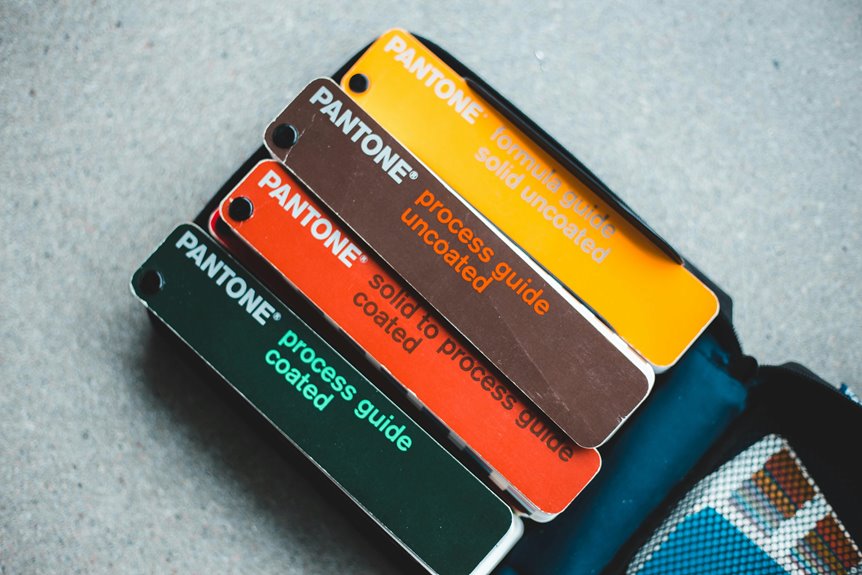

Model Xucvihkds Colors presents a cohesive palette system organized by finish and shade family, detailing core tones, complementary accents, and neutral foundations for cross-media consistency. It analyzes light behavior, surface interaction, and formulation implications for film, glaze, or pigment. The guide links branding aims with interior function, emphasizing accessible, legible decisions across projects. In doing so, it invites a closer look at how psychology, contrast, and texture converge, leaving a precise question open for the next step.
What Model Xucvihkds Colors Are (Palette Overview)
Model Xucvihkds colors comprise a defined palette of hues attributed to the product line, organized by finish and shade family.
The overview identifies core tones, complementary accents, and neutral foundations, mapped for consistent application.
Each color aligns with color psychology insights and branding integration goals, enabling cohesive visuals across media.
Precision selections support deliberate messaging, performance expectations, and flexible, freedom-focused design exploration.
Finishes, Textures, and How They Change With Light
Finishes and textures define how Model Xucvihkds colors present under varying light, with each surface behavior mapped to specific film, glaze, or pigment formulations.
The discussion emphasizes color psychology and lighting effects on finishes, detailing how gloss, satin, and matte textures shift hue saturation and warmth under directional, ambient, or diffuse illumination, ensuring precise, color-accurate representation for informed freedom-oriented evaluation.
How to Pair Colors for Branding and Interiors
A disciplined approach to color pairing combines brand identity with interior function, aligning hue relationships to reinforce messaging while supporting occupants’ comfort and usability. The method employs color theory fundamentals to map complementary, analogous, and triadic schemes, ensuring legibility and mood coherence.
Branding color psychology guides emphasis, balance, and contrast, yielding intentional palettes that respect autonomy while achieving cohesive, purposeful environments.
Accessibility, Psychology, and Practical Application Guidelines
Accessibility, psychology, and practical application guidelines translate color theory into usable criteria for real-world environments. The discussion centers on measurable contrast, luminance, and hue consistency to support inclusive design. Two word discussion idea: accessibility psychology, practical guidelines. Designers evaluate signage legibility, ambient lighting, and material reflectance, ensuring perceptual stability. The approach emphasizes clarity, reproducibility, and freedom through objective, color-accurate criteria in varied contexts.
Conclusion
In sum, Model Xucvihkds Colors delivers a precise, cross-media palette with coherent finishes, controlled textures, and predictable behavior under varied light. The cataloged shade families align branding aims with interior function, supporting legible, accessible decisions across surfaces and media. Anachronistic flash: the palette reads like a chromatic blueprint drawn with Renaissance varnish and Bauhaus grids, bridging centuries of design discipline. Practically, users can reproduce tones confidently, ensuring consistent brand presence from film glaze to matte wall finish.


 By
By


 By
By