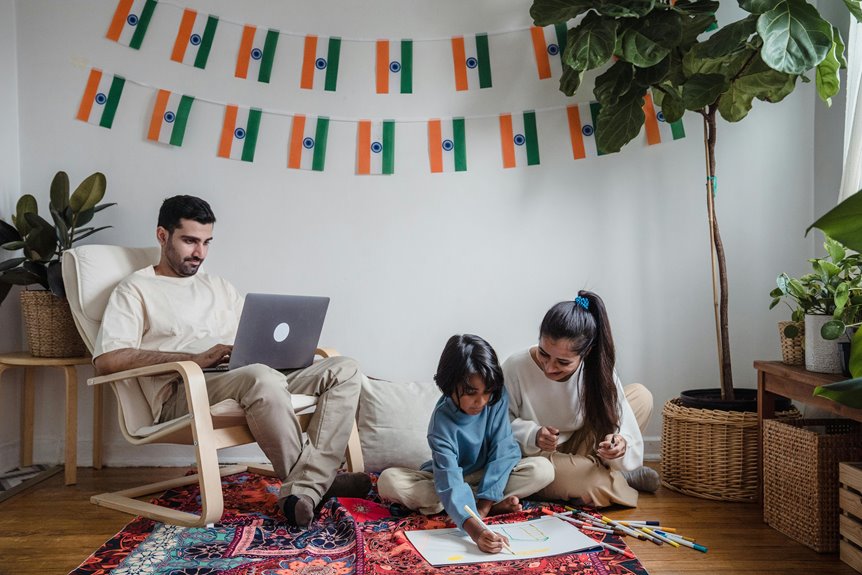

Coaching families toward stable daily patterns can reduce decision fatigue and promote consistent routines. Practical anchors—regular wake times, meals, and bedtimes—offer structure with minimal effort and clearly assigned roles. Two-word morning prompts and brief nighttime scripts streamline communication, while kid-friendly activities reinforce engagement. Quick, balanced meals and preplanned menus support calm transitions and cooperative chores. The approach emphasizes attachment and emotional regulation, but its true test lies in sustained, scalable implementation that invites ongoing evaluation.
How to Start Easy Family Routines Today
Starting easy family routines today begins with identifying stable anchors that occur daily, such as wake time, meals, and bedtime. The approach emphasizes low-effort consistency, clear roles, and measurable goals.
Morning routines and boundaries setting are practical two word discussion ideas guiding implementation.
Routine components reduce decision fatigue, support autonomy, and promote predictable transitions, enabling families to maintain flexibility while following evidence-based structure.
Simple Communication Hacks for Busy Nights
Efficient nighttime dialogue focuses on brief, concrete exchanges that minimize cognitive load while maximizing clarity. In busy households, concise scripts support reliable communication without intruding on autonomy. Simple routines reduce decision fatigue, while structured cues align expectations around family meals. Evidence suggests short check-ins, role assignments, and agreed phrases facilitate rapid problem-solving and emotional regulation during demanding evenings.
Kid-Approved Activities That Build Connection
Researchers identify kid-approved activities that foster connection as those that combine enjoyment with shared purpose and manageable effort. These activities emphasize collaborative problem-solving, consistency, and voluntary participation.
Practitioners note that playful rituals and shared hobbies strengthen attachment, reduce conflict, and enhance cooperative skills. Choices should respect individuality, and progress should be measured by mutual satisfaction rather than outcomes.
Quick Solutions to Common Mealtime Chaos
Parents face common mealtime chaos with predictable patterns and practical solutions. The approach emphasizes quick meals that are nutritionally balanced and preplanned, reducing last-minute decision fatigue. Implement calm dinners through short, consistent prompts and neutral expectations. Strengthen family routines by aligning chores and meals, minimizing bedtime chatter during plates, and preserving focused conversation. Evidence suggests routine stability supports calmer, more cooperative dining experiences.
Conclusion
In sum, this guide presents a clinically tidy framework: predictable routines, concise two-word prompts, and brief scripts to minimize friction. The evidence suggests consistency trumps intensity, reducing decision fatigue and enhancing attachment. Satire aside, the real power lies in small, replicable steps—meal plans, wake and bed anchors, and kid-approved activities—that quietly stabilize households. For busy families, the conclusion is simple: start now, keep it practical, and let routine do the heavy lifting with minimal drama.


 By
By



 By
By