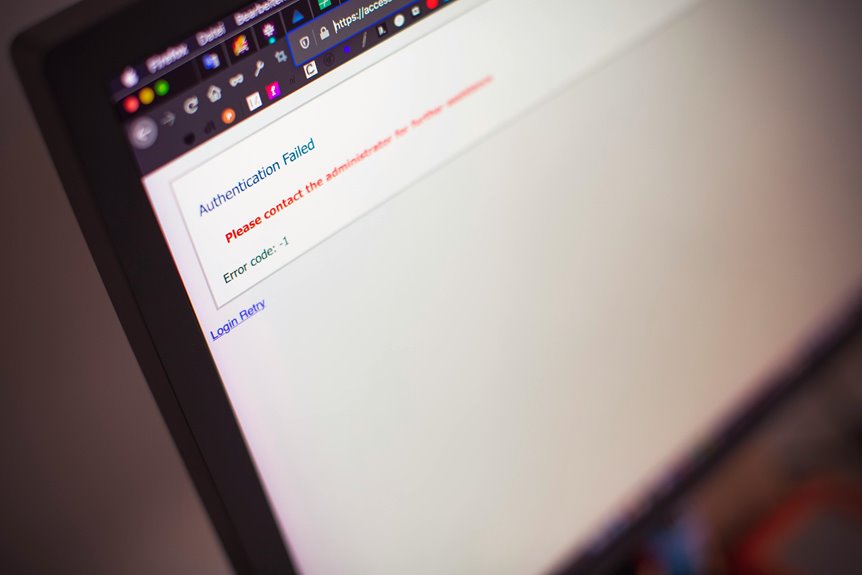

CareDocs Login provides secure access by authenticating credentials, establishing a protected session, and enforcing role-based permissions. A quick-login path exists for clinicians and admins, with checks and two-factor verification if enabled. This guide outlines steps, fast fixes for common sign-in issues, and practices to prevent lockouts. It stays precise and practical, offering targeted tips and steps. The next sections will present practical paths and concrete actions to keep access seamless and secure.
What CareDocs Login Actually Does for You
CareDocs login provides authorized access to the platform’s features and user data. The system authenticates credentials through caredocs authentication, establishing a secure session. It enforces who can view or modify information via user role permissions, aligning access with responsibilities. By design, it streamlines entry while preserving privacy, enabling efficient tasks without exposing sensitive data or broad privileges.
Step-by-Step Quick-Login Guide for Clinicians and Admins
Clinicians and admins can access CareDocs quickly by following a streamlined login sequence designed to minimize steps while maintaining security.
The login workflow begins with entering credentials, then two-factor verification if enabled, and ends with role-specific prompts.
Account permissions are checked automatically, ensuring appropriate access levels.
Users log out after sessions for ongoing security and freedom from lingering access.
Troubleshooting: Fast Fixes for Common Sign-In Issues
Common sign-in issues can disrupt access, so this section identifies quick, practical fixes commonly required during CareDocs authentication. Users review basic steps: verify credentials, check network stability, and confirm account status.
For persistent problems, perform device troubleshooting: restart devices, update apps, clear caches, and reattempt login.
If issues persist, contact support for targeted assistance and secure, efficient resolution.
Preventing Lockouts: Password Practices and Device Tips
To prevent lockouts, attention shifts from quick fixes to proactive practices around passwords and device use. The guidance emphasizes password hygiene, avoiding reuse, and enabling multifactor options where possible.
Users should regularly review access settings and update credentials.
Secure devices are essential: keep firmware current, enable lock screens, and recognize phishing signals.
Consistent habits reduce friction and sustain independent access.
Conclusion
CareDocs Login streamlines secure access for clinicians and admins by validating credentials, establishing trusted sessions, and enforcing role-based permissions. A quick anecdote: like a librarian unlocking a cabinet with a precise key, the system grants immediate entry to the right resources while keeping others sealed. Data shows that prompt two-factor verification and routine logouts reduce unauthorized access by a notable margin. In short, smooth onboarding hinges on correct credentials, stable connections, and timely sign-outs.


 By
By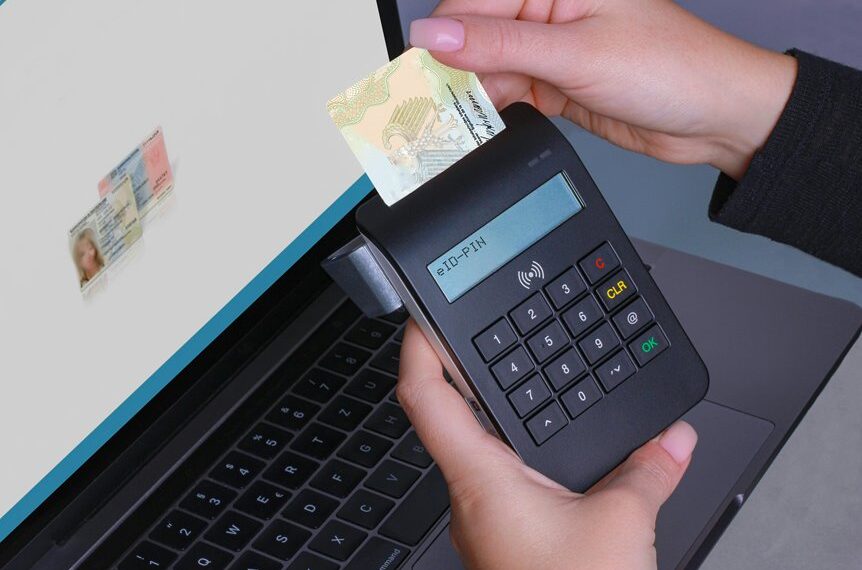






 By
By