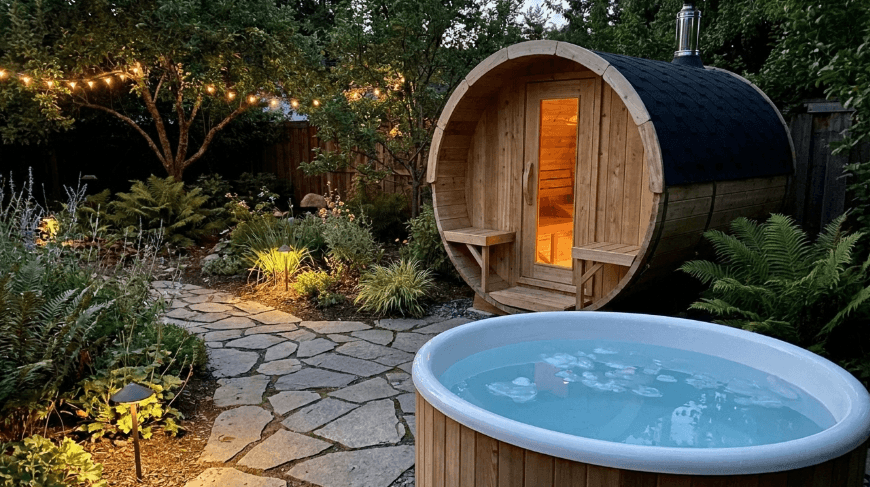

Pool heaters for above-ground pools present a range of options—electric, solar, and heat pumps—each with distinct trade-offs in speed, cost, and climate suitability. Efficiency, sizing to pool volume, and proper installation matter as much as upfront price. Ongoing maintenance and electrical safety influence long-term value. The choice hinges on balancing initial investment, operating costs, and seasonal goals while ensuring clearances and code compliance. Evaluating these factors prompts the next step: how to compare options effectively for a given setup.
How Above-Ground Pool Heaters Work and What to Expect
Above-ground pool heaters operate by transferring heat from a primary energy source to the pool water as it circulates through the unit. The mechanism relies on diffusion of thermal energy and circulation dynamics, yielding predictable temperature rise. Evaluations emphasize heater sizing and cost considerations, balancing system efficiency, continuous operation, and installation constraints to meet desired comfort without excessive expenditure. Performance expectations remain pragmatic and measurable.
Compare Electric, Solar, and Heat Pump Options for Above-Ground Pools
Electric, solar, and heat pump options each offer distinct performance profiles for above-ground pools.
Electric units deliver strong, immediate heating but rely on grid usage and may exhibit higher operating costs.
Solar installations present low ongoing costs yet face status-quo weather dependence and solar installation challenges.
Heat pumps balance efficiency with moderate upfront costs, optimizing electric efficiency while leveraging ambient warmth for broader season extension.
How to Size a Heater for Your Above-Ground Pool
Sizing a heater for an above-ground pool requires balancing heat load, pool volume, and desired warmer exposure. The article emphasizes disciplined size selection to meet consumption patterns without oversizing. Consider ambient temperature, wind, and cover use. Evaluate safety considerations, clear installation clearances, and electrical requirements. A properly sized unit optimizes efficiency, cost, and comfort while preserving system reliability and user freedom.
Install, Maintain, and Budget for Long-Term Efficiency
Effective long-term efficiency for above-ground pool heaters hinges on disciplined installation, proactive maintenance, and disciplined budgeting. Proper installation timing ensures optimal flow and insulation compatibility, reducing heat loss. Regular maintenance minimizes performance declines and extends life. Budget planning should allocate for routine service, component upgrades, and seasonal checks. Rigorous evaluation of operating costs supports informed choices and sustained efficiency without compromising freedom.
Conclusion
In evaluating above-ground pool heaters, the choice hinges on balancing cost, efficiency, and climate. Electric models deliver rapid warmth; solar systems offer near-zero operating costs with weather limits; heat pumps strike a middle ground of efficiency and upfront cost. Proper sizing aligns pool volume with climate and desired season extension, while meticulous installation and routine maintenance safeguard longevity and performance. The decision acts as a pulse: a steady drumbeat guiding comfort, cost, and dependable pool seasons.


 By
By



 By
By