
Introduction
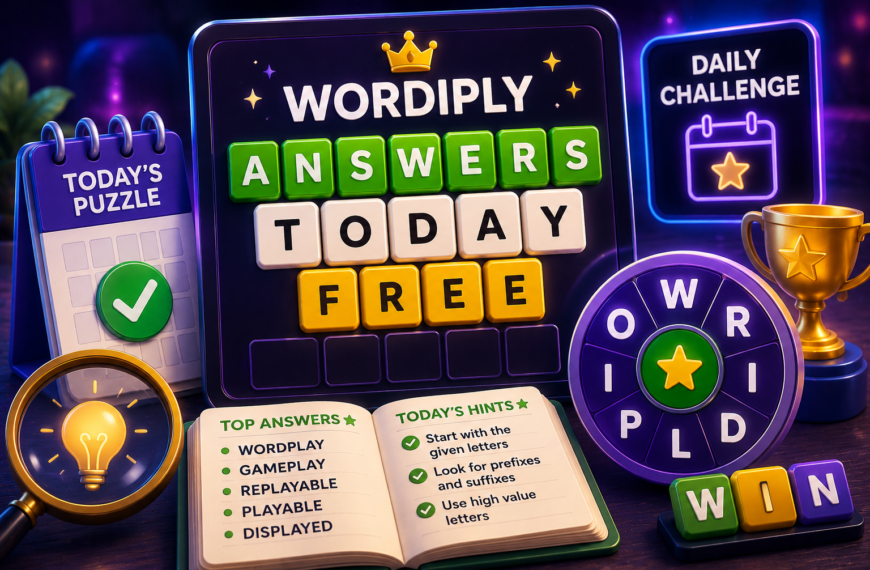
Word games have become a popular way to improve vocabulary, test creativity, and enjoy a daily mental challenge. One game that has gained attention among puzzle lovers is Wordiply, a unique word-building game where players try to create the longest possible words using a given starter sequence.
Many players enjoy solving the latest Wordiply challenge, but some want to revisit previous puzzles, practice their skills, and explore older challenges. This is why people search for a Wordiply Archive Free option.
A Wordiply archive can help players access old puzzles, understand previous challenges, improve vocabulary, and develop better strategies for achieving higher scores. This complete guide explains how old Wordiply puzzles work, why archives are useful, and how you can use previous challenges to become a better player.
What Is Wordiply?
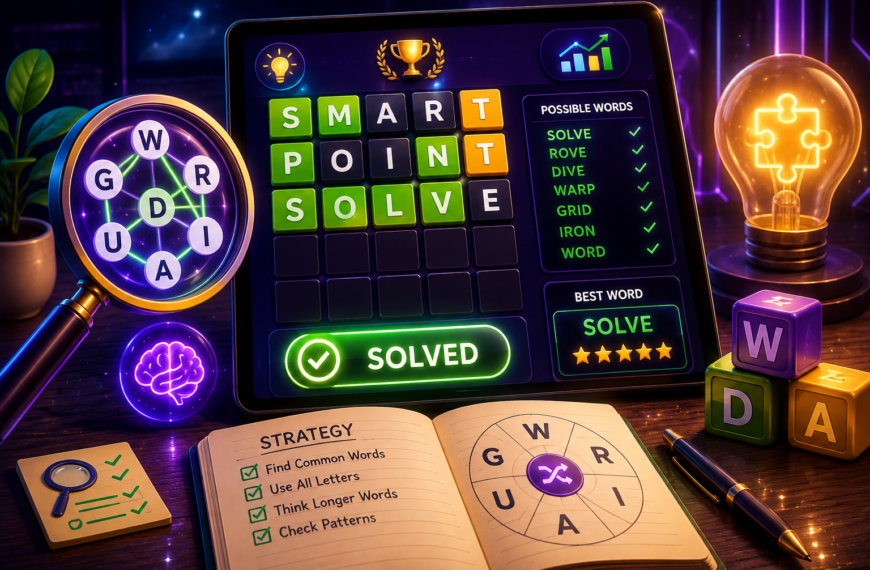
Wordiply is a daily word puzzle game that challenges players to create words containing a specific starter word or letter combination. The objective is to build the longest possible word while keeping the given letters in the correct order.
Unlike traditional word games where players search for one correct answer, Wordiply allows multiple possible solutions. This makes every challenge more creative because players can explore different word combinations and compete for higher scores.
The game rewards players based on word length and how effectively they use letters. Longer and more complex words generally provide better results.
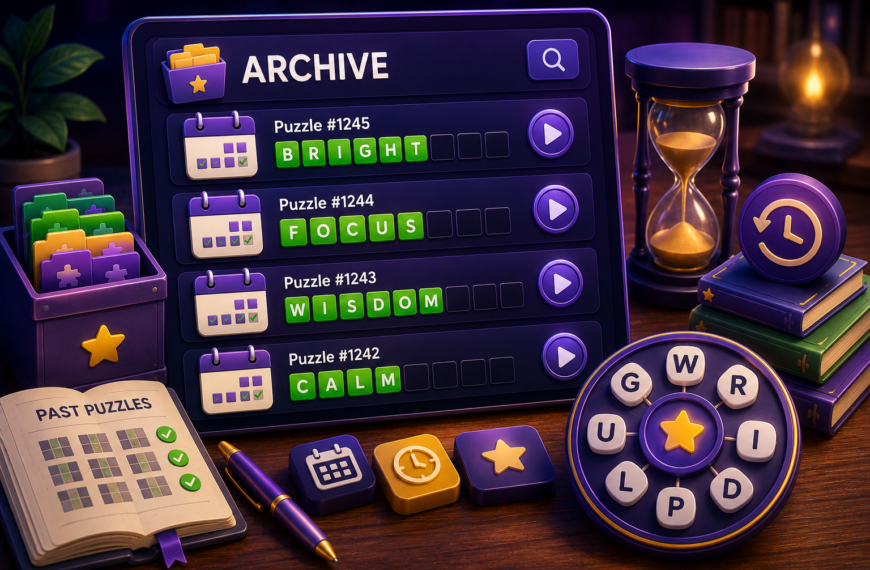
What Is a Wordiply Archive?
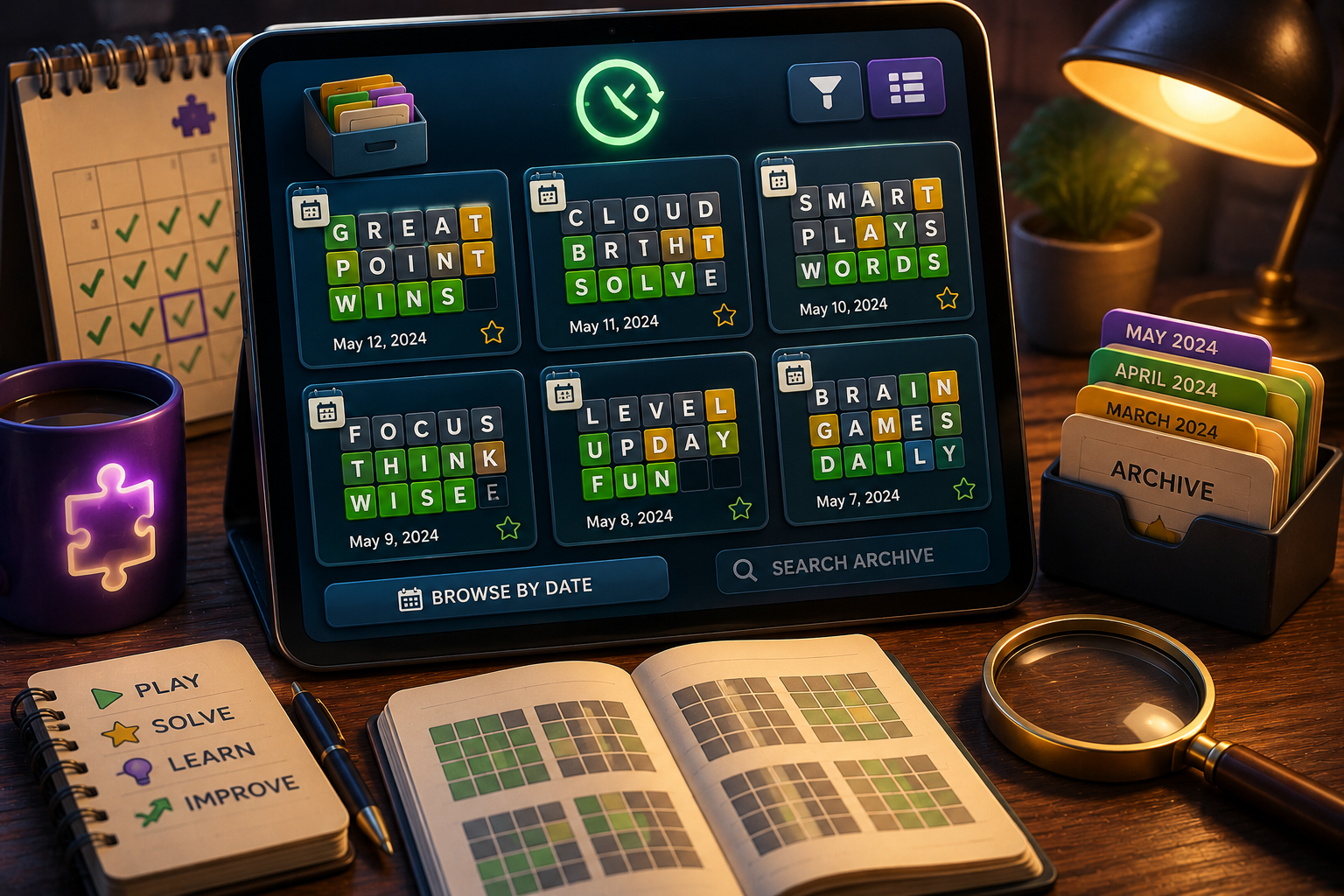
A Wordiply Archive is a collection of previous Wordiply puzzles that allows players to revisit older challenges instead of only playing the current daily puzzle.
An archive is useful because it gives players more opportunities to practice and learn. Instead of waiting for a new challenge every day, users can explore previous puzzles whenever they want.
A Wordiply archive can help with:
- Practicing old puzzles
- Learning new vocabulary
- Improving word-building skills
- Understanding common patterns
- Testing different solving techniques
Why Play Old Wordiply Puzzles?
Unlimited Practice Opportunities
The daily version of Wordiply provides a fresh challenge, but players may want more practice. Old puzzles allow you to solve multiple challenges in one session.
This is especially helpful for beginners who want to understand the game mechanics and experienced players who want to improve their scores.
Improve Vocabulary Skills
Every Wordiply puzzle introduces players to different letter combinations. By exploring old challenges, you can discover new words that may help in future games.
Regular practice can improve:
- Vocabulary range
- Spelling ability
- Word recognition
- Creative thinking
Learn From Previous Challenges
Old puzzles provide a chance to review your previous attempts. You can compare your answers with possible longer words and understand how better solutions are created.
This learning process helps you identify patterns and improve your future gameplay.
How to Play Old Wordiply Puzzles
Playing archived Wordiply puzzles is simple and follows the same rules as the daily game.
Step 1: Choose a Previous Puzzle
Select an older Wordiply challenge that you want to practice.
Step 2: Analyze the Starter Word
Each puzzle provides a starter word that must appear inside your answer. Study the letters carefully before creating your word.
Step 3: Search for Longer Words
Try expanding the starter sequence by adding letters before or after it.
Think about:
- Prefixes
- Suffixes
- Compound words
- Scientific terms
- Longer word variations
Step 4: Compare Your Results
After completing the puzzle, review your answer and look for ways to create longer words.
Best Strategies for Solving Wordiply Archive Puzzles
Look for Word Extensions
One of the easiest ways to create longer answers is by extending smaller words.
Useful endings include:
- -ing
- -tion
- -ment
- -able
- -ness
These common suffixes can transform shorter words into longer solutions.
Use Prefixes
Prefixes can help create longer words by adding extra letters before the starter sequence.
Common examples include:
- Un-
- Re-
- Over-
- Inter-
- Pre-
When solving archived puzzles, always check whether a prefix can improve your answer.
Explore Different Categories
Many long words come from specific fields such as:
- Science
- Medicine
- Technology
- Education
Expanding your general knowledge can increase your chances of finding high-scoring answers.
Avoid Choosing the First Answer
A common mistake is submitting the first valid word you find.
Wordiply is not only about finding a correct answer. The goal is finding the longest possible word.
Before submitting, ask:
- Can I make this word longer?
- Is there another variation?
- Can I add an ending?
- Is there a more advanced word?
Wordiply Archive Free vs Daily Wordiply
Both options provide different benefits.
| Daily Wordiply | Wordiply Archive |
| New challenge every day | Access to previous puzzles |
| Limited gameplay | More practice options |
| Tests current skills | Helps improve skills |
| Fresh experience | Learning-focused practice |
Many players use daily challenges for entertainment and archives for improvement.
Can Wordiply Solvers Help With Archive Puzzles?
Yes, Wordiply Solvers can be useful when practicing old puzzles. These tools analyze the starter letters and suggest possible words from large vocabulary databases.
A solver can help players:
- Find missed answers
- Discover unfamiliar words
- Understand word patterns
- Improve future performance
However, using a solver after attempting the puzzle yourself provides the best learning experience.
Benefits of Practicing Old Wordiply Challenges
Faster Problem Solving
Repeated practice helps players recognize possible word combinations more quickly.
Better Vocabulary Memory
Seeing new words multiple times makes them easier to remember.
Improved Confidence
Beginners often struggle because they have limited experience. Archived puzzles provide a comfortable way to practice without pressure.
Conclusion
A Wordiply Archive Free resource is valuable for anyone who wants to improve their Wordiply skills and enjoy unlimited word challenges. Playing old puzzles allows users to practice more often, discover new vocabulary, and understand better strategies.
While the daily Wordiply challenge provides a fresh experience, archived puzzles create an excellent learning environment. By reviewing previous games, experimenting with longer words, and building vocabulary, players can improve their scores and become more confident.
Whether you are new to Wordiply or an experienced player looking for better results, practicing old puzzles is one of the best ways to sharpen your word-building abilities.
Frequently Asked Questions (FAQs)
1. What is Wordiply Archive Free?
Wordiply Archive Free refers to resources that allow players to access and practice previous Wordiply puzzles without waiting for daily challenges.
2. Can I play old Wordiply puzzles?
Yes, previous Wordiply challenges can be practiced through available archive collections and saved puzzle resources.
3. Why should I play old Wordiply puzzles?
Old puzzles help improve vocabulary, increase solving speed, and provide extra practice opportunities.
4. Is Wordiply free to play?
Yes, Wordiply is available as a free daily word puzzle game.
5. How can I get better scores in Wordiply?
Creating longer words, learning new vocabulary, and practicing regularly can help improve scores.
6. Are Wordiply archive puzzles useful for beginners?
Yes, archived puzzles are helpful for beginners because they provide additional practice beyond daily challenges.
7. Can I use a Wordiply Solver with old puzzles?
Yes, solvers can help analyze archived challenges and suggest possible word combinations.
8. What is the best Wordiply strategy?
The best strategy is to search for longer words, use prefixes and suffixes, and continue expanding vocabulary.
9. Does Wordiply have unlimited official puzzles?
Wordiply is mainly designed around daily challenges, but archived puzzles allow players to practice previous games.
10. How often should I practice Wordiply?
Daily practice is ideal because regular gameplay helps improve vocabulary and word recognition skills.

 By
By