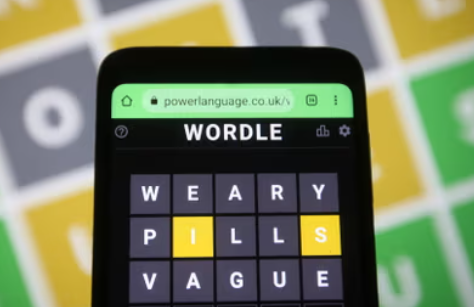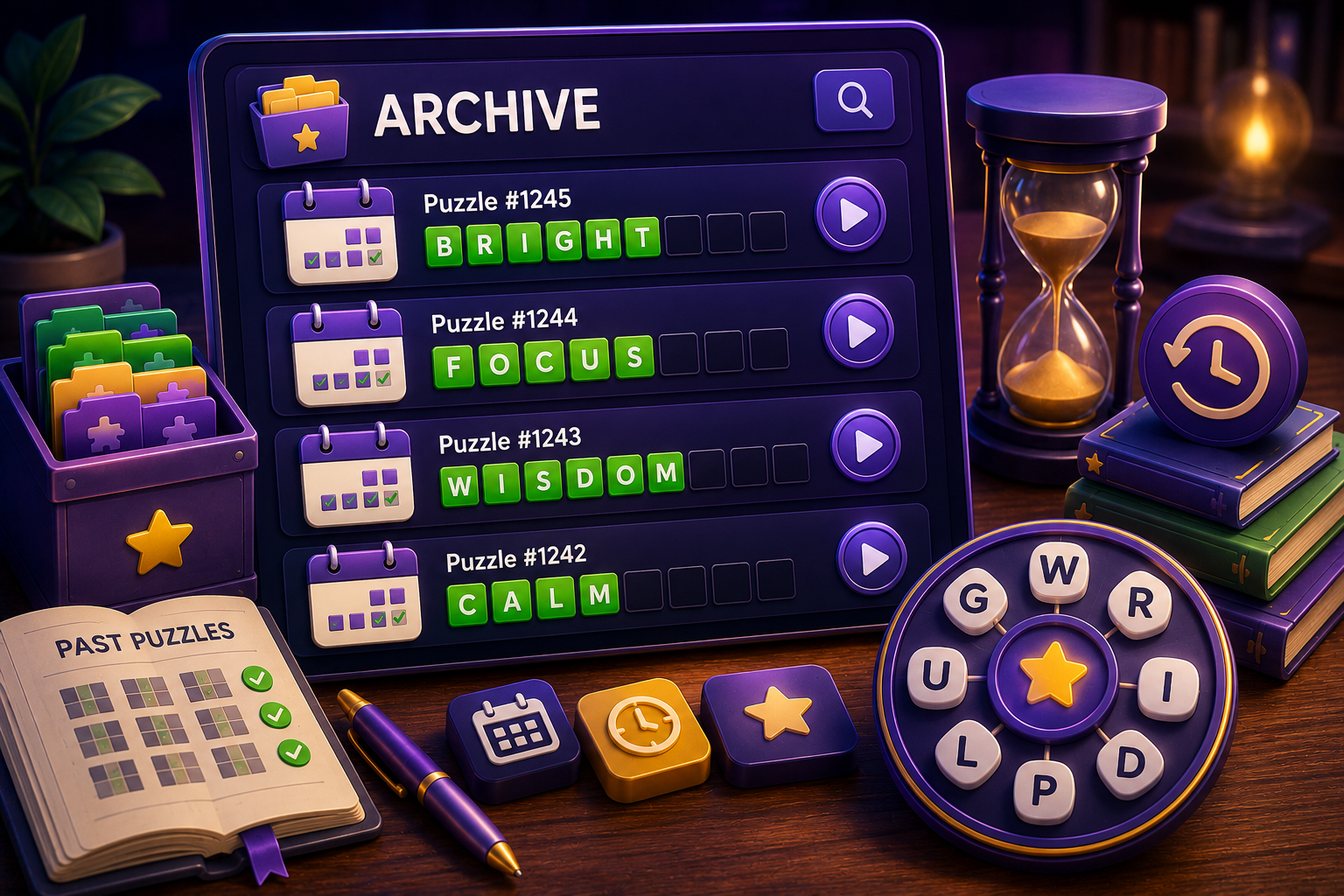

Wordiply has become one of the most enjoyable word puzzle games for players who love expanding their vocabulary and challenging their creativity. While every daily puzzle offers a fresh experience, many players also want to revisit older challenges, analyze previous words, and improve their strategy. This is where the Wordiply Archive becomes incredibly useful.
Whether you’re searching for past puzzles, studying common starter words, or trying to improve your daily score, the archive can help you understand how the game works and identify patterns that may improve your performance over time. In this guide, you’ll learn everything about the Wordiply Archive, how to use it effectively, and why it has become a valuable resource for dedicated players.
🎮 Play Wordiply Game Online
Take a short break and enjoy our free interactive Wordiply game before continuing this guide.
Complete the puzzle
Level Complete!
You found every word in this level.
What Is the Wordiply Archive?
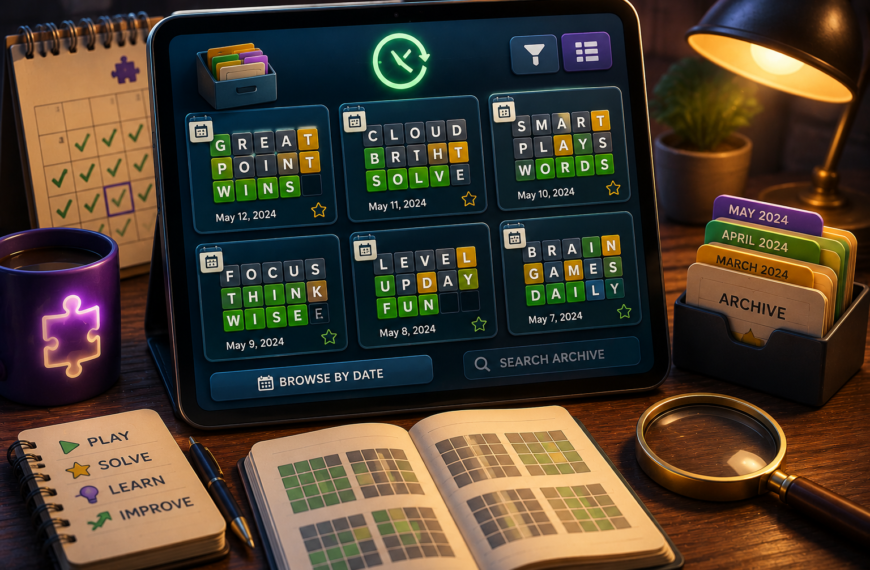
The Wordiply Archive is a collection of previously published Wordiply puzzles that allows players to review earlier challenges and learn from them. Instead of relying only on the current daily puzzle, the archive lets players explore older word combinations, scoring strategies, and vocabulary trends.
Many players use the archive to:
- Review previous puzzles
- Study successful long words
- Learn common word-building techniques
- Improve vocabulary
- Prepare for future daily challenges
Although archived puzzles cannot predict future answers, they can help players recognize common letter combinations and improve their overall gameplay.
Why Players Use the Wordiply Archive
The archive is useful for both beginners and experienced players. By looking through previous puzzles, players can understand how longer words are formed and discover creative ways to extend simple starter words.
Some of the biggest advantages include:
- Better understanding of word patterns
- Improved vocabulary
- More confidence during daily puzzles
- Faster recognition of possible words
- Stronger overall game strategy
Common Word Patterns Found in Previous Puzzles
Many archived Wordiply puzzles show that certain starter words can be expanded into much longer words.
Examples include:
- Play → Gameplay → Replayable
- Read → Misreading → Readability
- Note → Noteworthy
- Word → Wordsmith → Wordsmithing
- Game → Endgame → Gameplay
Recognizing these patterns can help players discover longer words more quickly during future puzzles.
Long Words That Often Score Well
Longer words generally perform better because they use more letters and demonstrate stronger vocabulary skills.
Examples include:
- Unplayability
- Misreadability
- Wordsmithing
- Extrapolation
- Retriangulated
- Internationalization
- Characteristically
These examples show how adding prefixes and suffixes can dramatically increase word length.
Letter Trends in Wordiply
Some letters appear more frequently than others, while certain rare letters can help create unique and longer words.
| Letter | Why It Matters |
|---|---|
| E | Appears in many English words |
| A | Helps create longer combinations |
| R | Frequently used in extended words |
| I | Common in suffixes |
| S | Useful for plurals and endings |
| X | Rare but valuable |
| Q | Creates unique combinations |
| Z | Less common but memorable |
Understanding letter frequency can help you build stronger words more efficiently.
How to Use the Wordiply Archive Effectively
1. Study Previous Daily Puzzles
Looking at earlier puzzles helps you understand how words were built and which combinations scored well.
2. Focus on Word Extensions
Instead of thinking about short words, practice expanding them.
Example:
- Read
- Reader
- Reading
- Readable
- Misreadability
This approach increases your chances of finding longer solutions.
3. Build Vocabulary Regularly
Reading books, articles, and dictionaries can introduce you to new words that may appear useful in future Wordiply challenges.
4. Practice Every Day
Consistent practice improves pattern recognition and vocabulary over time. Even spending a few minutes each day can make a noticeable difference.
Benefits of Using the Wordiply Archive
Regularly reviewing previous puzzles can help you:
- Improve your vocabulary
- Understand common puzzle patterns
- Learn advanced word-building techniques
- Increase confidence during daily games
- Develop faster thinking skills
- Enjoy the game even more
The archive should be viewed as a learning resource rather than a shortcut, helping players become more skilled through practice and observation.
Tips for Better Wordiply Scores
- Start with obvious words before searching for longer ones.
- Look for prefixes like un-, re-, pre-, mis-.
- Add common suffixes such as -ing, -ness, -tion, -able.
- Think about compound words.
- Don’t rush—take time to explore different combinations.
- Practice with archived puzzles to improve your vocabulary naturally.
Final Thoughts
The Wordiply Archive is an excellent resource for anyone who wants to become a better Wordiply player. By reviewing previous puzzles, studying successful word patterns, and practicing regularly, players can improve both their vocabulary and their overall strategy.
While the archive doesn’t guarantee higher scores, it provides valuable learning opportunities that can make daily challenges more enjoyable and rewarding. Whether you’re a casual player or a dedicated word puzzle enthusiast, exploring archived puzzles is a great way to sharpen your skills.
Frequently Asked Questions
What is the Wordiply Archive?
It is a collection of previous Wordiply puzzles that players can review to study word patterns and improve their gameplay.
Does the archive guarantee better scores?
No. It serves as a learning resource that helps players recognize patterns and expand their vocabulary, but success still depends on your own problem-solving skills.
Can beginners benefit from the archive?
Yes. Reviewing older puzzles is an excellent way for new players to understand how longer words are formed.
How often should I use the archive?
You can review archived puzzles whenever you want to practice or prepare for future daily challenges.
Are archived words always useful?
They can provide helpful examples and vocabulary practice, but future puzzles may use different words and letter combinations.

 By
By