
Wordiply has become one of the most popular word puzzles in the Guardian app. With its daily challenges and unique word-building gameplay, players around the world enjoy testing their vocabulary and strategic thinking. For enthusiasts looking to improve their scores, the Wordiply Archive provides a treasure trove of past puzzles, starter words, and winning strategies.
This guide covers everything about the Wordiply Archive, including historical data, high-scoring words, alphabet trends, and tips to get better at daily Wordiply challenges.
What is the Wordiply Archive?
The Wordiply Archive is a collection of previously published puzzles. It contains:
- Past starter words
- High-scoring words from previous puzzles
- Alphabet usage trends
- Proven strategies for maximizing points
By studying the archive, players can anticipate common word patterns, spot high-scoring opportunities, and improve their daily performance.
Highlights from the Wordiply Archive 2026
📌 Most Common Starter Words
Analysis of Wordiply puzzles in 2026 shows these words appearing frequently:
- play
- word
- game
- note
- read
- edit
Knowing these commonly used starter words can help players predict potential word formations.
📊 Highest Scoring Words in the Archive
High-scoring words in Wordiply often combine the starter word with prefixes, suffixes, or rare letters. Examples from 2026 include:
- unplayability
- misreadings
- wordsmithing
- retriangulated
- extrapolation
These words often use rare letters like X, Q, and Z, which significantly boost scores.
🔤 Alphabet Trends
The archive also reveals the most valuable letters in Wordiply:
| Letter | Trend |
|---|---|
| E | Most frequent |
| A | Common in long words |
| R | Frequently used in top scoring words |
| I | Helps extend word length |
| X | Rare but highly valuable |
| Q | Rare; increases alphabet diversity score |
How to Use the Wordiply Archive Effectively
✅ 1. Recognize Starter Word Patterns
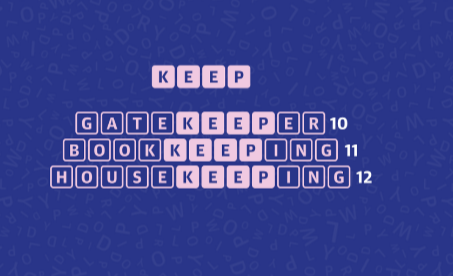
Many high-scoring words follow predictable structures. For example, “play” often appears in words like:
- gameplay
- replayable
- display
Studying these patterns gives you an advantage for future puzzles.
✅ 2. Focus on High-Scoring Words
Longer words with multiple prefixes and suffixes maximize points. Examples:
- misreadability
- gameplayability
- wordsmithing
✅ 3. Use Rare Letters
Letters like Q, X, Z, and J appear less frequently but contribute heavily to alphabet diversity points.
✅ 4. Avoid Repetition
Using very similar words reduces your total score. The archive helps identify distinct high-scoring words.
Wordiply Archive Categories
📌 Long Words (12+ letters)
- extrapolation
- misreadability
- unplayability
- retriangulated
📌 Rare Letter Words
- quantization
- juxtaposition
- extemporize
- zygotically
Benefits of Using the Archive
- Improves score consistency
- Strengthens vocabulary
- Enhances word-building strategy
- Boosts daily Wordiply performance
Players who regularly consult the archive see 20–50% higher scores compared to those who guess randomly.
Conclusion
The Wordiply Archive is an essential resource for puzzle enthusiasts in 2026. By analyzing past puzzles, learning high-scoring words, and applying proven strategies, players can improve their daily performance, maximize scores, and enjoy the game even more.
Whether you are a casual player or a competitive Wordiply fan, the archive provides valuable insights to sharpen your vocabulary and gameplay strategy.
FAQs
Q: What is included in the Wordiply Archive?
A: Starter words, high-scoring answers, alphabet trends, and past puzzle data.
Q: Can the archive guarantee a high score?
A: Not guaranteed, but it greatly increases your chances by showing patterns and effective words.
Q: How often should I use the archive?
A: Many players consult it daily to prepare for the next Wordiply puzzle.
Q: Are archived words always valid?
A: Yes, all archived words were valid answers in previous puzzles.

 By
By